When we talk about patient safety, we imagine high-tech hospitals and sterile wards, places where precision, hygiene, and modern medicine converge to protect lives. Yet, the idea of safety in healthcare goes far beyond sterile instruments and surgical checklists. Too often, we treat it as a technical issue such as better protocols, cleaner wards, and sharper skills. But Prof. Amir Ullah Khan, development economist and public health policy expert, explains that patient safety is not just a procedural goal, it’s a systemic promise that must begin from day one.
“Patient safety is about protecting people from harm that can occur when they seek healthcare. But, in the context of maternal and neonatal care, this becomes even more critical because we actively encourage women to deliver in healthcare facilities, yet these same facilities can sometimes become sources of preventable harm,” Prof. Khan said.
It’s a paradox that sits at the heart of India’s public health challenge. Over the past two decades, the country has made remarkable progress in institutional deliveries. Programmes such as Janani Suraksha Yojana and LaQshya have pushed more women toward hospital births. Yet, the assumption that hospitals automatically mean safety has proven dangerously optimistic.
“When a patient comes to a hospital, they should be safer, not at greater risk. Unfortunately, avoidable harm during pregnancy and childbirth is still common and leads to both deaths and long-term disabilities. Some studies suggest that up to 10% of hospital deaths are linked to preventable safety lapses which is alarming, considering hospitals are meant to be safe environments,” Khan explains.
The hidden risks of care
According to Prof Khan, preventable harm in maternal and neonatal care often begins with misdiagnosis. Rural hospitals and smaller facilities frequently lack obstetric specialists, leading to errors in identifying complications during pregnancy or delivery. “Misdiagnosis is one of the biggest causes of harm, especially in facilities without specialists. A wrong diagnosis can have lifelong consequences for both mother and child,” he says.
Medication errors follow closely such as incorrect prescriptions, wrong dosages, or miscommunication between doctors, nurses, and patients. Unsafe surgical practices, especially during cesarean deliveries, compound the problem. Even something as simple as poor sanitation in operating rooms can have devastating outcomes.
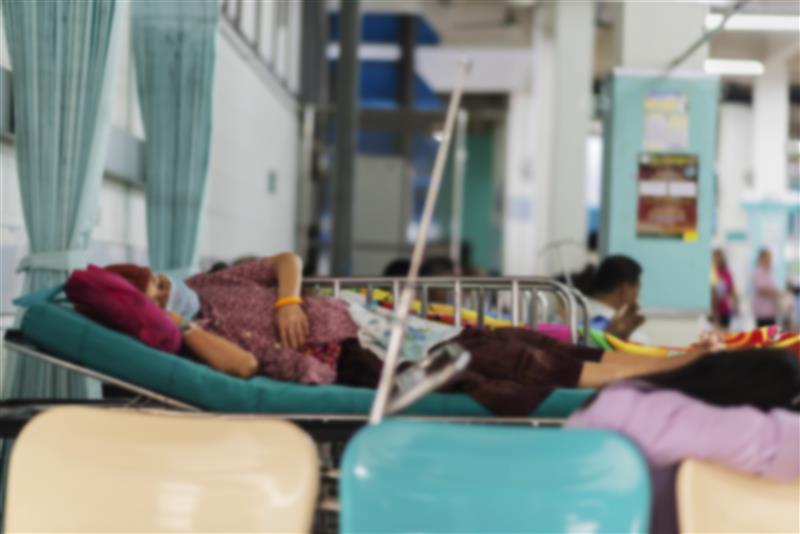
Then there are infrastructure issues that go beyond the clinical. “Slippery floors, damp wards, broken equipment are not rare occurrences. In some hospitals, we have even seen cases of rodent or snake bites. If mothers and newborns aren’t safe at the very beginning, the entire foundation of healthcare is compromised,” Khan says.
India’s healthcare system, vast and fragmented, struggles with enforcement and accountability. Despite a range of policies and commissions, there is little clarity on liability when patient safety is breached.
“When something goes wrong inside a medical facility, there should be accountability as someone must take responsibility. But in India, patient liability is practically nonexistent. We don’t have strong guidelines or legal frameworks that clearly spell out how patient safety should be ensured or what consequences should follow when it’s breached,” Khan emphasizes.
While the National Health Commission and the National Health Policy do mention patient safety, they stop short of establishing punitive mechanisms. The absence of “a strong disincentive structure,” as Khan calls it, means negligence often goes unpunished.
“The policy also doesn’t say much about how patient safety issues can be covered by insurance. Until we establish clear liability and real consequences for medical negligence, patient safety will continue to be treated as optional rather than essential,” he adds.
Learning from global models
India doesn’t need to reinvent the wheel. Other countries have built robust systems that make patient safety a cornerstone of healthcare delivery. Khan points to the OECD nations, particularly in Europe, as models worth studying.
“Around 7–10 years ago, global initiatives like World Patient Safety Day and various Patient Safety Action Plans began gaining momentum across many countries. Europe, in particular, has developed strong patient safety systems that India can learn from. The OECD countries have created detailed templates, manuals, and frameworks for patient safety that guide healthcare systems across Europe,” he notes.
These frameworks emphasise state responsibility, transparency, and learning from medical errors, principles that are still nascent in India’s system. “The European Union has especially robust safety norms, ensuring accountability and structured oversight. The US also has patient safety standards, but Europe’s coordinated, state-led approach offers clearer lessons for countries like India,” Khan explains.
One of India’s toughest challenges lies in bridging the urban–rural divide. “In India, the urban-rural divide in healthcare is stark,” Khan says. “When you look at maternal health outcomes, the gap becomes even clearer. Rural areas often lack proper maternal care facilities, and where they do exist, they are frequently substandard. Labour rooms and operation theaters rarely meet basic safety or hygiene norms.”
Even within cities, the contrast between top-tier private hospitals and the rest of the system is striking. “If you ignore the very rich and the very expensive private healthcare providers, the rest, public or private, are often of very poor quality,” he observes.
To close the gap, Khan argues for uniform healthcare standards that apply across regions and sectors. “Patient safety and infrastructure quality should not depend on where someone lives. In many rural facilities, you’ll find leaking roofs, broken cots, and unhygienic conditions that directly endanger patients. We need clear, enforceable standards, greater awareness of safety systems, and better use of data to identify where the failures are happening,” he insists.
As India continues to expand healthcare access, it must also ensure that access equals safety. The goal is not merely to get patients through the hospital door but to guarantee that once inside, they are truly protected. Prof. Amir Ullah Khan says, “Hospitals should be the safest places to be, not places where people are harmed. Safety must be built into healthcare from the very start, from birth itself. Only then can we say our system truly cares for its people.”