

FEATURED



WHAT'S NEW

Facebook is open sourcing dfuse, D language bindings for FUSE



ACCESSORIES

Sandbox to try out the code written in almost all languages

Express Recipes: How to make Creamy Papaya Raita




WINDOWS PHONE
Bridging the gaps in rare diseases policy






LATEST ARTICLES
Why India’s next health priority must be glaucoma
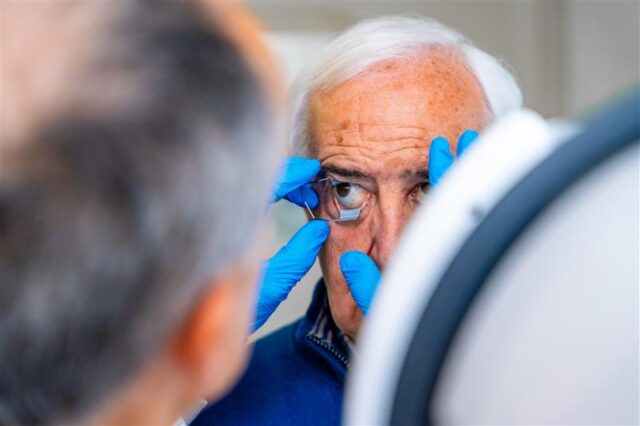
“An ounce of prevention is worth a pound of cure,” said Benjamin Franklin, a principle that India’s health system still struggles to apply when it comes to glaucoma. Despite being one of the leading causes of irreversible blindness, glaucoma remains low on the policy radar. The tragedy is that early detection and routine screening, which are simple, cost-effective interventions,...
Why patient safety must begin at birth, explains Prof. Amir Ullah Khan
When we talk about patient safety, we imagine high-tech hospitals and sterile wards, places where precision, hygiene, and modern medicine converge to protect lives. Yet, the idea of safety in healthcare goes far beyond sterile instruments and surgical checklists. Too often, we treat it as a technical issue such as better protocols, cleaner wards, and sharper skills. But Prof....
The blind spot in NCD care: Integrating vision into chronic disease policy
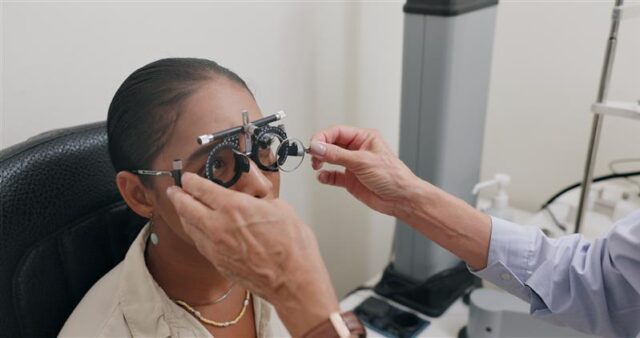
For all the progress India has made in managing non-communicable diseases (NCDs) like diabetes and hypertension, it has overlooked one critical complication about the loss of sight. Vision remains the missing link in chronic disease policy, even though conditions like diabetic retinopathy and glaucoma silently rob millions of Indians of their eyesight every year. Avoidable blindness, especially from NCDs,...
India’s water and sanitation crisis: A public health emergency in slow motion
In 2025, it should not be news that millions of people still live without clean drinking water or a working toilet. But in India, that’s the reality. Every day, contaminated water quietly sickens families. Flooded drains spill sewage into homes. Schoolgirls have to skip class because there's no bathroom. And in hospitals, children die from diarrhoea, something easily preventable...
The cost of unsafe healthcare practices: A patient safety perspective
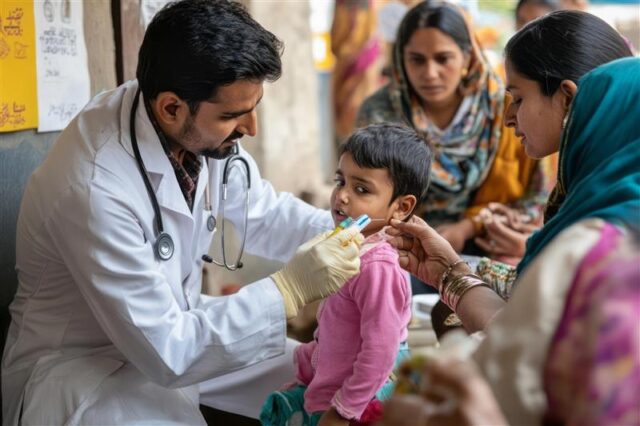
One of India’s central goals is to achieve universal health coverage (UHC). However, can UHC become a reality without making patient safety a key component? The country’s ambitious vision to provide high-quality, accessible, and affordable healthcare to its population will stay a fleeting dream if the healthcare system continues to grapple with the silent epidemic of unsafe practices. According to...
Childhood malnutrition in India: Policies and outcomes
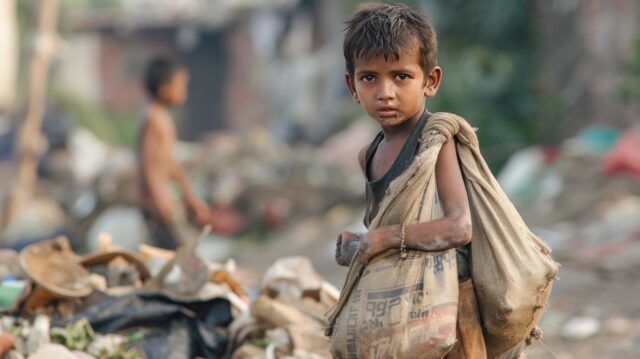
Malnutrition does not usually dominate headlines like economic growth or technological breakthroughs, but its shadow is long. A child who is stunted or wasted is less likely to perform in school, earn a decent livelihood, or escape poverty1. While the Centre has ambitious missions like ICDS and POSHAN Abhiyaan, outcomes vary dramatically across states. Hence, why does a child...
Universal health coverage: Bridging gaps for NCD management in rural India
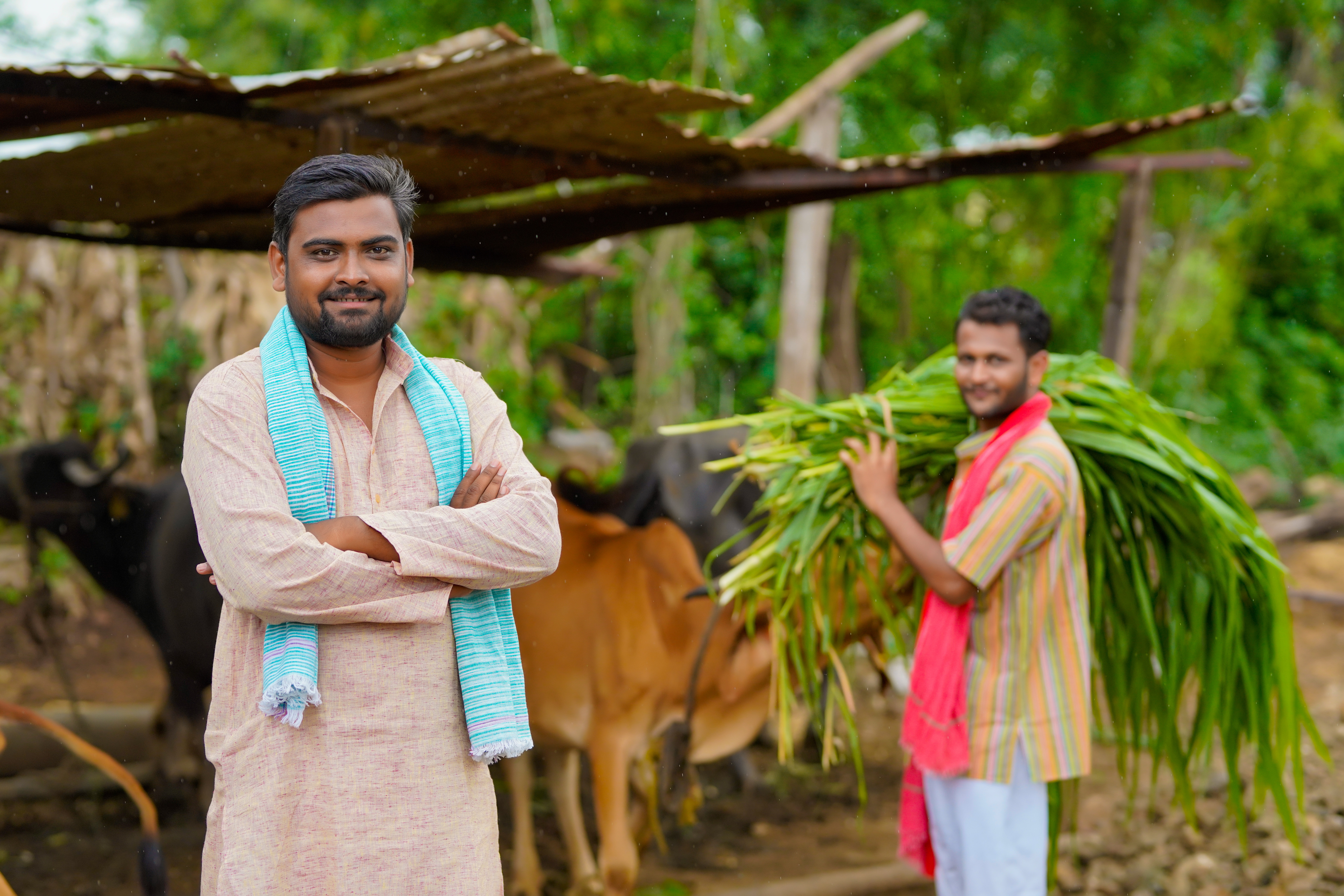
Universal Health Coverage (UHC) is one of India’s most ambitious national goals. To achieve it, the government created sweeping policies and programmes. However, their implementation in rural areas continues to be marred by policy-based challenges in terms of accessibility, availability, and affordability, particularly in the management of non-communicable diseases (NCDs). NCDs, including diabetes, obesity, and heart disease, are no longer...
Floods and vector-borne diseases: Are we prepared?
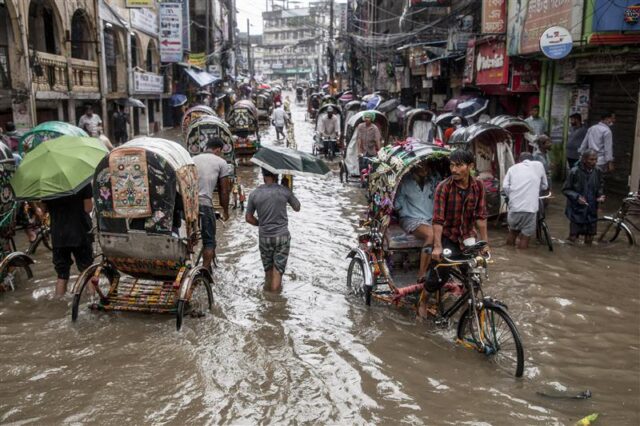
Every monsoon, different parts of India watch their streets vanish under water with rickshaws drifting past submerged homes, ponds spilling over, and daily life grinding to a halt. Floodwater isn’t just inconvenient. They’re dangerous and beneath the surface, pathogens such as bacteria, parasites, viruses multiply and thrive. Vectors are living creatures that spread infectious pathogens between humans or from animals...
The intergenerational cost of NCDs in India
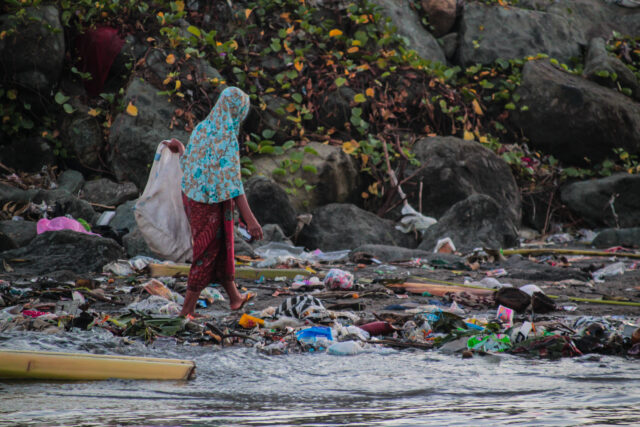
Across the country, diabetes, heart disease, cancer, and other non-communicable diseases (NCDs) are striking workers in their prime. The cost is counted not only in medical bills or lost workdays, but in children’s education plans postponed, nutrition compromised, and wealth-building opportunities erased. A health crisis that once seemed the concern of the elderly is now eroding India’s economic potential...
Rare diseases: Why a ground-up approach is the need of the hour
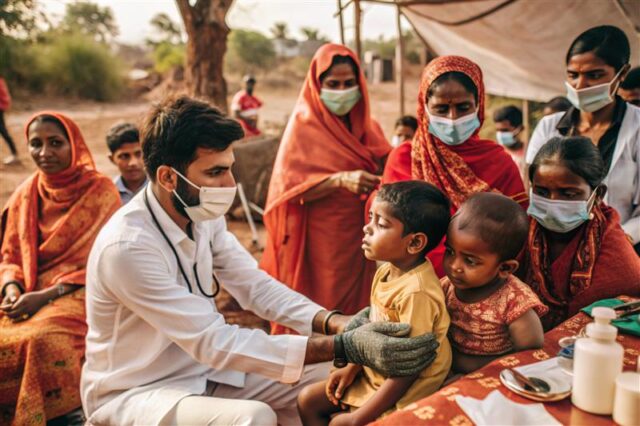
Did you know that nearly one-third of the global rare disease population resides in India? In a country where healthcare resources are stretched thin and the public health budget remains modest, addressing the complexities of rare diseases can feel like an insurmountable challenge. While significant policy-level changes have taken place over the last few years experts believe real, sustainable...